
Deck repairs fix the rotten, split, cupped or loose boards that make a deck unsafe and stop it from being restored properly. At Sydney Deck Maintenance, we replace damaged decking boards, punch and re-fix lifting nails and loose boards, then sand and coat the whole deck so the repair blends in.
After 15 years and more than 3,000 residential clients, we can tell you quickly whether your deck needs a few boards or something bigger. Most decks need far less than owners fear.
Your deck needs repairs if any boards are soft, rotten, split, loose or lifting. The common warning signs are:
A quick test: press the tip of a screwdriver into any suspect timber. Sound hardwood resists it. If it sinks in easily or the timber crumbles, that board needs replacing.
Decking boards rot when water sits in or under the timber long enough for decay fungi to take hold. In Sydney, the usual causes are:
Most of these are preventable. Regular coating and keeping gaps clear add years to a deck. See our deck cleaning and maintenance service.
| Repair | What we do |
|---|---|
| Rotten board replacement | Remove decayed boards and fit new boards matched for species, width and thickness where available |
| Split and cupped boards | Replace boards that are too damaged to sand flat |
| Nail punching | Punch lifting nails below the surface so they cannot catch feet or tear sanders |
| Loose board re-fixing | Re-secure boards that move or bounce |
| Splinter removal | Sand out splinters and rough patches that make the deck unsafe for bare feet |
We handle board replacements and minor repairs, such as re-fixing loose boards and punching lifting nails.
New decking boards will never look identical to old boards on day one, but they can be made to blend in. This is where experience makes the biggest difference to the finished deck.
The issues are colour, size and age. New timber is a different colour from weathered timber, boards from a different supplier can vary slightly in width or profile, and old decks are sometimes made from a species that is now hard to source. We manage this in three ways.
One customer’s deck had already had a few boards replaced in a different timber. Instead of paying to replace them again with the right species, we applied a darker tint stain that blended everything together. The customer kept their costs down and still got a great result.
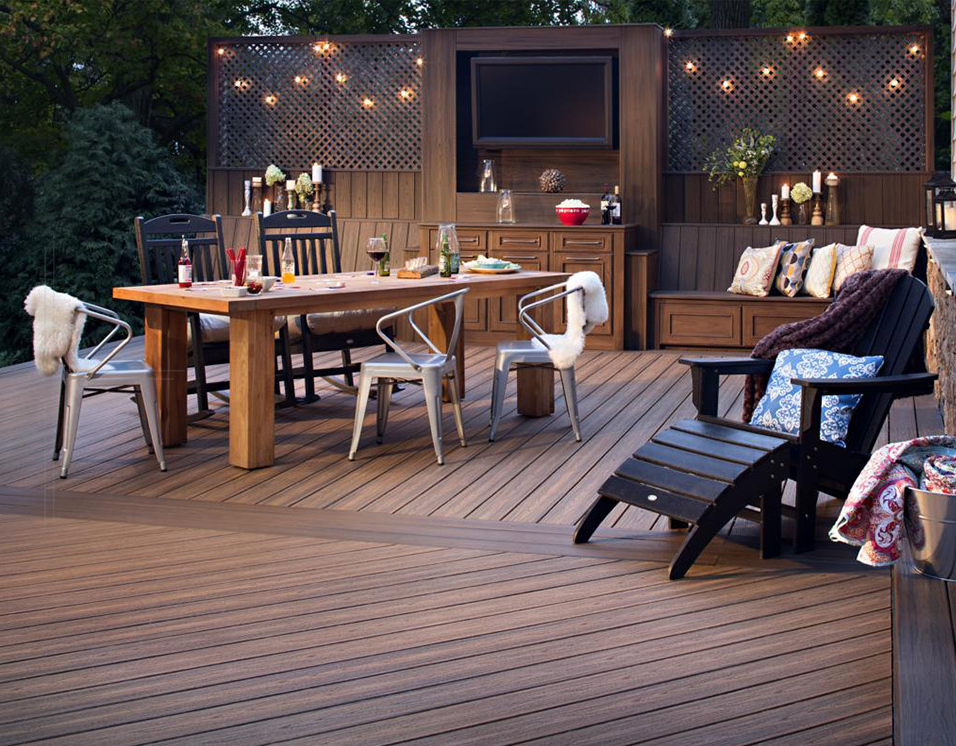
Most decks can be repaired and restored for a fraction of the cost of replacement. A deck usually only needs replacing when most of the boards are rotten or beyond repair.
| Situation | Usually the right call |
|---|---|
| A handful of rotten or split boards | Repair and restore |
| Grey, weathered but sound boards | Restore only (sand and coat) |
| Rot concentrated in one area, such as near a downpipe | Repair that area, fix the water source, restore the deck |
| Widespread soft boards across the whole deck | Beyond a repair. We will tell you honestly at the quote. |
We will give you an honest view during the quote. If your deck is beyond restoring, we will tell you rather than sell you a sand and coat that will not last.
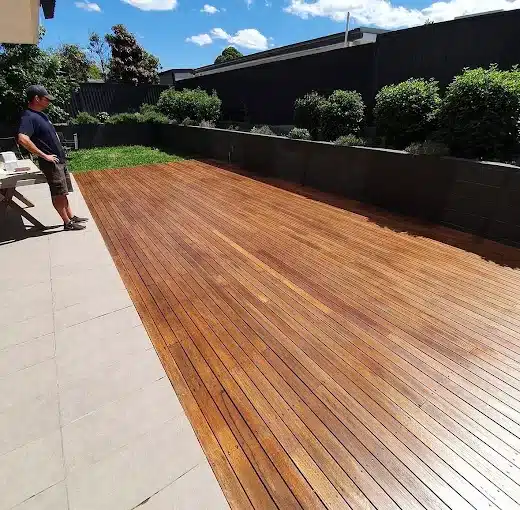
We walk the deck, check every board, test suspect timber, look at fixings, steps and handrails, and check underneath where access allows.
You get a fixed price for repairs and restoration, and a clear list of which boards are being replaced and why.
We source matching boards for species, width and thickness.
Damaged boards are removed and new ones fitted to the existing spacing.
Lifting nails are punched and loose boards re-fixed across the whole deck.
The full deck is sanded together with dust extraction so old and new boards finish level. See our deck sanding service.
Two to three coats of oil or stain protect the timber and blend the colours. See our deck oiling and staining service.
New hardwood boards often benefit from weathering before coating, because fresh timber is full of natural oils and tannins that can stop coatings from bonding. Merbau is the most obvious example. It bleeds tannin for months and can stain paving below.
For a small number of replacement boards in an existing deck, we will advise whether to coat straight away or allow a short weathering period. It depends on the timber and how closely you want the colours to match on day one.
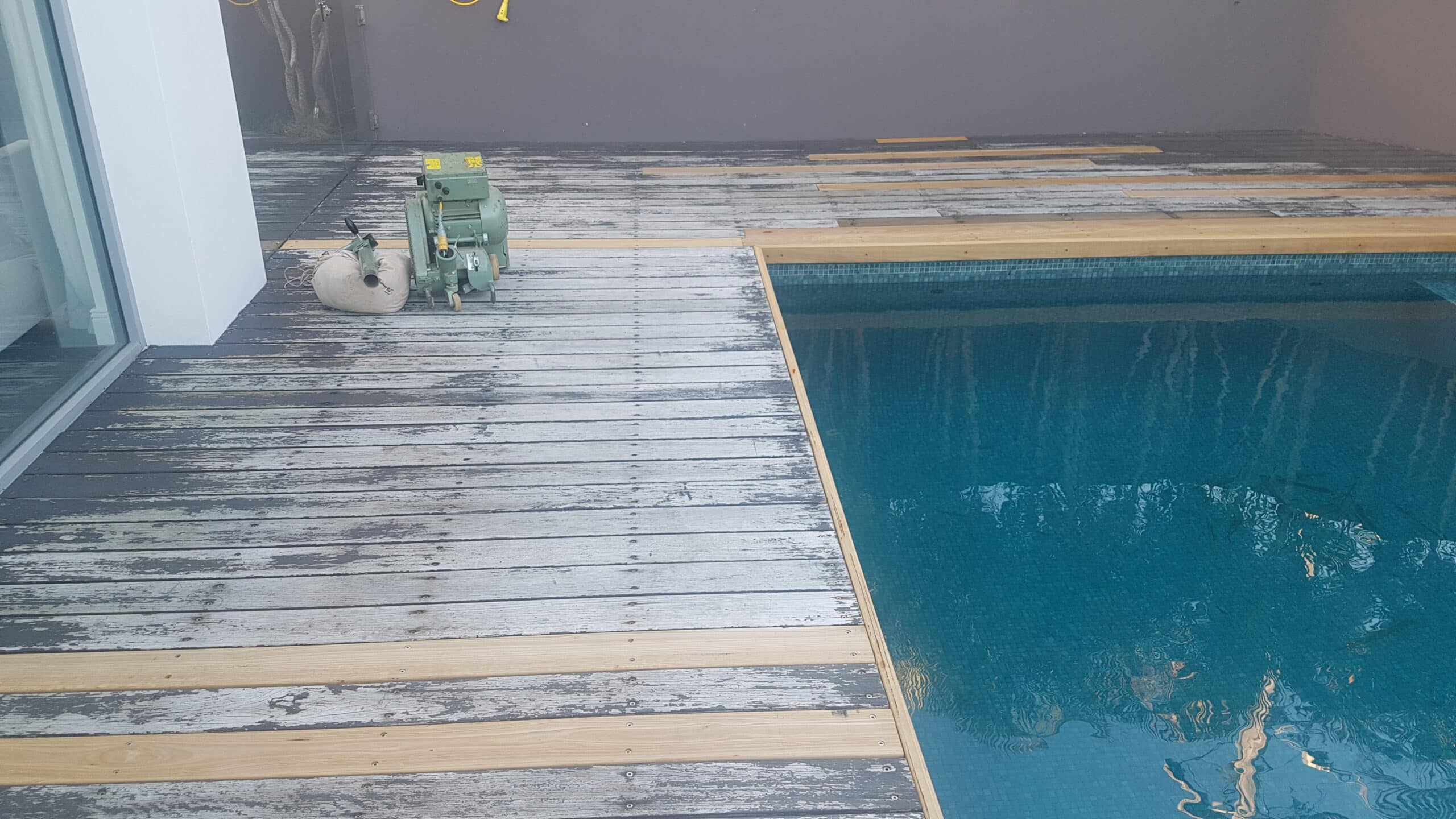
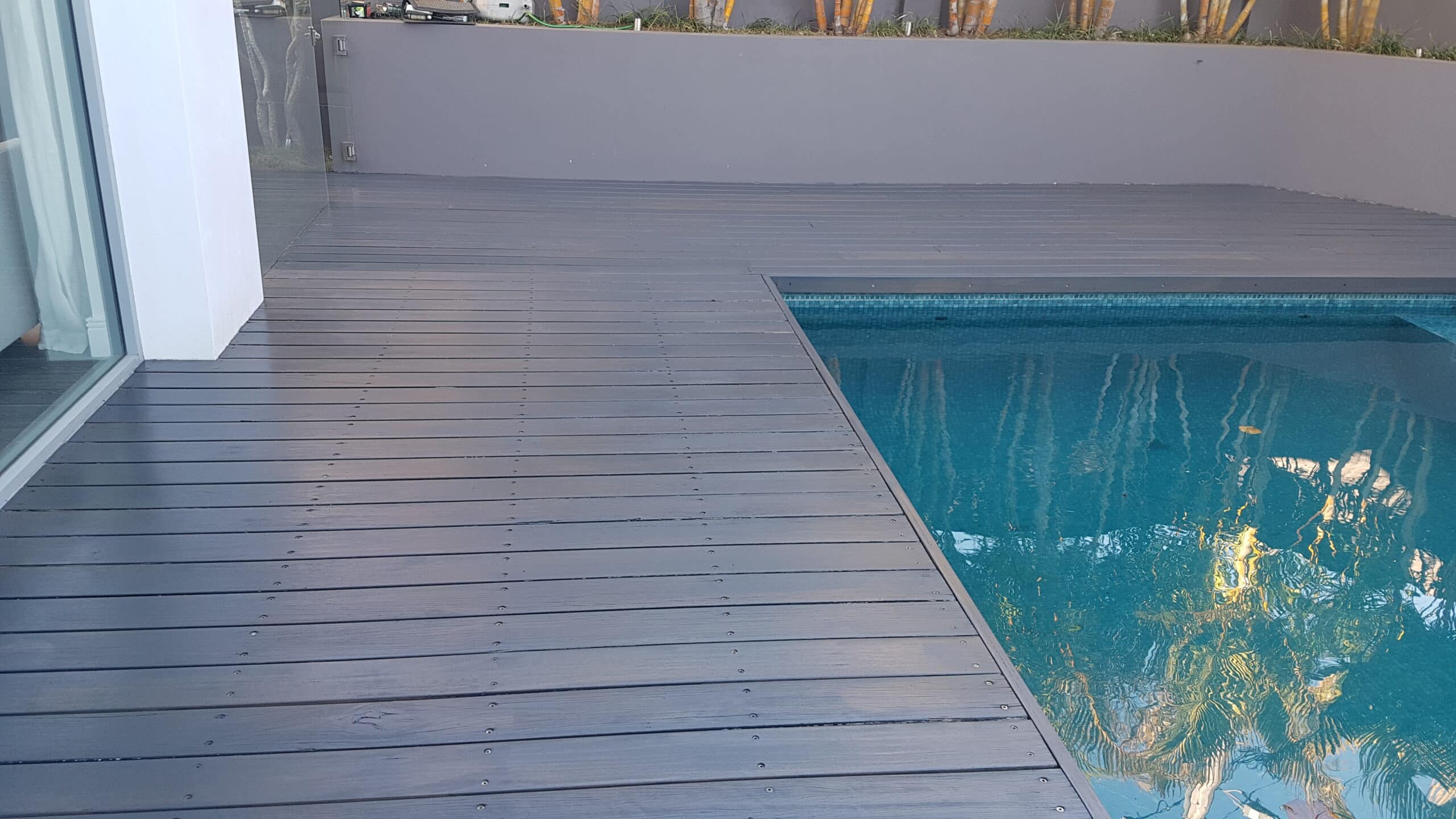
This deck had rotten boards and patchy old stain. After replacing the boards, we sanded the whole deck to bare timber and applied a grey stain. The owners were thrilled with the modern finish.
Several boards at the entrance of this home had rotted after years without protection. The timber had greyed, softened and become dangerous to walk on. We replaced the rotten boards, restored the area, and it is now a statement entrance to the house.
These steps were starting to grow mould and had no protection, so they were absorbing water and would have rotted within a couple of years. A quick sand and a few coats stopped the damage before any replacement was needed.
Deck repair cost in Sydney depends mostly on how many boards need replacing and which timber they are. Every job gets a free, fixed on-site quote. The main factors are:
Replacing a few boards and restoring the deck almost always costs far less than a new deck, and the result can look just as good.
We are trusted by strata managers and real estate agencies, including JLL and Frasers Property.
Yes. Most of our repairs involve a handful of boards. We replace them, then sand and coat the deck so the new boards blend with the old.
New boards will look different at first, but sanding the whole deck and using a suitable stain brings them very close. A darker tint can hide the difference almost completely.
Press a screwdriver into the timber. If it sinks in easily, or the timber is soft, dark and crumbly, the board is rotten. Rot often starts at board ends and near water sources.
Minor repairs are the small fixes that keep a deck safe and sound, such as replacing rotten or split boards, re-fixing loose boards and punching lifting nails. We do them as part of the restoration, so the whole deck is sanded and coated together.
Yes. We punch lifting nails below the surface across the whole deck before sanding, which also stops them catching feet afterwards.
Repairing and restoring is almost always cheaper than replacing. Replacement is usually only needed when most of the boards are rotten or beyond repair.
Replacing a few boards usually adds a few hours to a restoration job. Larger repairs, or waiting for hard-to-source timber, can add a day or more.
Yes, and it is one of the most cost-effective things you can do before a sale. Replacing damaged boards and restoring the finish makes a deck look new in photos and at inspections.
Upload photos of the damaged boards through our quote form or call Niall on 0449 183 440. We will tell you exactly what needs replacing and give you a fixed price on site.